Complete Guide to Successful Pest Management: Methods and Tips for a Pest-Free Living Space
Proper pest control is essential for sustaining a comfortable home environment. Understanding common pests and their habits can substantially reduce unwanted infestations. Simple strategies, such as sealing entry points and keeping spaces clean, play an significant role in prevention. Additionally, DIY solutions offer quick relief for minor issues. However, when problems escalate, professional intervention may be necessary. This guide will discuss various methods to guarantee a pest-free living space. But what happens when the pests return despite your efforts?
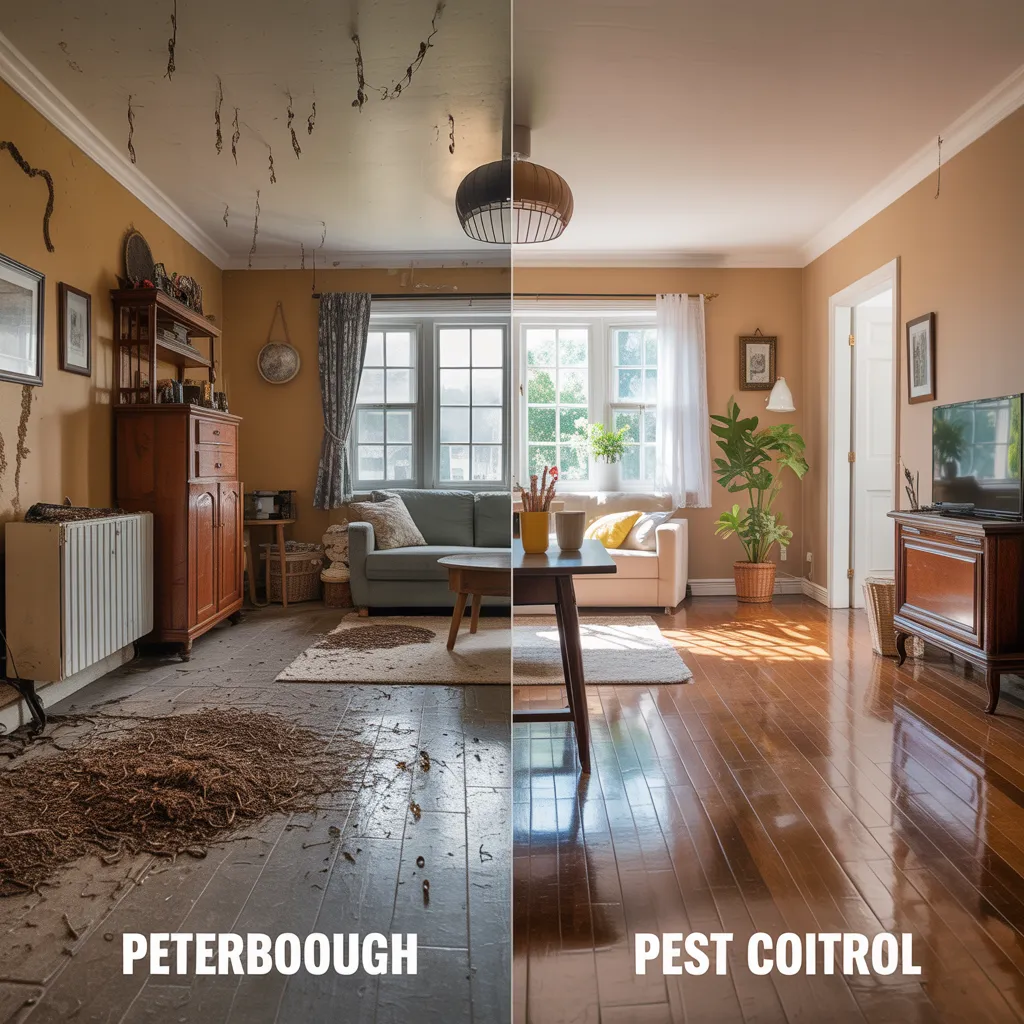
Getting to Know Prevalent Household Pests and Their Behaviors
Though several homeowners may regard pests simply a inconvenience, understanding their behaviors is critical for successful pest control. Prevalent household pests, including ants, cockroaches, and rodents, show particular behaviors that can shape control strategies. Ants, to illustrate, are social insects that follow scent trails to food sources, while cockroaches prefer dark, moist environments, typically hiding in cracks and crevices. Rodents are nocturnal and tend to nest in concealed areas, searching for food and shelter in proximity to human habitation.
Recognizing these habits can aid in recognizing potential entry points and breeding grounds. For instance, sealing gaps in walls can prevent rodents, while maintaining cleanliness can minimize food sources for ants and cockroaches. By gaining insight into the behaviors of these pests, homeowners can implement proactive measures to decrease infestations and create a less inviting environment for uninvited intruders.
Tried and Tested Techniques to Avoid Common Household Pests
In order to effectively prevent common household pests, it is essential to seal entry points throughout the home. Maintaining regular cleanliness also plays a crucial role in deterring infestations. By adopting these strategies, homeowners can considerably reduce the risk of pest problems.
Block Access Points
Blocking entry points is an essential strategy for homeowners looking to prevent common household pests. Pests such as rodents, insects, and spiders often invade homes through small openings. To combat this, homeowners should conduct a thorough inspection of their property, focusing on gaps around windows, doors, and foundations. Using materials like caulk, weather stripping, and steel wool can effectively close these gaps. Additionally, it is crucial to check vents, pipes, and utility lines for any potential entryways. Regular maintenance of these seals can avoid future infestations. By proactively blocking entry points, homeowners can appreciably reduce the likelihood of pest invasions, creating a more secure and comfortable living environment.
copyright Sanitation Routinely
Following the addressing of entry points, consistent cleaning practices plays a crucial role in pest prevention. A spotless home substantially lowers the likelihood of attracting common household pests such as ants, roaches, and rodents. Regular vacuuming of floors and dusting surfaces gets rid of crumbs and debris that may lure these unwanted guests. It is important to promptly clean spills and store food in airtight containers to restrict access to potential food sources. In addition, maintaining a clutter-free environment assists in eliminating hiding spots for pests. Consistently disposing of the trash and ensuring outdoor areas are tidy also contributes to a pest-free home. By applying these cleanliness strategies, homeowners can create an unfavorable environment for pests, ultimately improving their living space's comfort and safety.
Do-It-Yourself Pest Control: Fast Solutions for Fast Relief
Many homeowners face pest problems that require immediate attention, and DIY pest control provides effective solutions. Swift methods, such as using vinegar and water, can discourage consult now ants and other insects. A mixture of equal parts water and white vinegar, sprayed around entry points, disrupts their scent trails, making the area less inviting.
When dealing with wasp nests, a basic mixture of soap and water can effectively suffocate these pests upon direct application. Furthermore, diatomaceous earth functions as an organic pest control solution that works well against many crawling bugs. Applying it to affected zones can aid in removing these pests without using strong chemical treatments.
Peppermint and tea tree oil, as essential oils, have the ability to repel spiders and rodents when combined with water and applied in corners or near windows. These DIY methods supply rapid relief and are effortless to put into practice, making them perfect for homeowners desiring swift pest control actions.
When Should You Call Pest Control Experts?
Property owners often reach a turning point when DIY pest control solutions are insufficient. Understanding when to engage professional pest control services is essential for maintaining a healthy living environment. Indicators that demand expert intervention include persistent infestations that resist DIY techniques, the presence of harmful pests such as termites or bed bugs, and situations where an extensive treatment is necessary. Additionally, if a homeowner is uncertain about the identification of pests or the appropriate treatment strategies, consulting experts can provide confidence and effective solutions. What's more, those with health concerns or allergies may gain from professional assistance to assure safe handling of chemicals and treatments. At the end of the day, understanding the severity of the infestation and the potential risks involved will guide homeowners in making informed decisions concerning pest control professionals. Swift action can prevent further damage and restore comfort in the home.
Environmentally Friendly Choices for Pest Control
While traditional pest control techniques often rely on harsh chemicals, eco-friendly alternatives offer effective solutions without sacrificing environmental health. Homeowners more and more turn to natural remedies, such as diatomaceous earth, which damages the exoskeletons of insects and is safe for pets and humans. Essential oils, including peppermint and tea tree oil, can also discourage pests when diluted and sprayed around the residence. Furthermore, introducing beneficial insects like ladybugs and lacewings can help control aphid populations without the need for pesticides.
Fine mesh screens, caulking, and other physical barriers can stop pests from entering homes. In addition, maintaining a clean environment, encompassing proper waste disposal and regular cleaning, minimizes attractants for pests. These green strategies not only lessen chemical exposure but also support a healthier living space. By implementing these methods, residents can effectively manage pest issues while advancing sustainability and ecological balance.
Tips for Effective Pest Control Throughout the Seasons
Changes in seasons greatly impact pest conduct and activity, making it important to change control strategies in response. In spring, homeowners should concentrate on deterring infestations by filling cracks and maintaining proper drainage. As temperatures increase, pests like ants and termites become more aggressive, so timely detection is critical.
In the summertime, regular lawn maintenance is essential to keep away mosquitoes and ticks. Maintaining grass mowed and eliminating standing water can notably reduce their populations.
When autumn arrives, rodents look for warmth and shelter, making it crucial to check and seal entry points. Placing food in airtight containers helps keep them at bay.
In winter, pest activity can decrease, but alertness is still required. Inspecting for signs of pests and maintaining a clean environment can stop infestations from gaining a foothold. Each season requires specific attention to effectively handle pest populations and preserve a secure and pleasant home.
Year-Round Tips for Maintaining a Pest-Free Home
To maintain a pest-free home all year long, adopting regular cleaning routines is necessary. This practice not only gets rid of potential food sources for pests but also lessens clutter where they can conceal themselves. In addition, sealing entry points efficiently stops unwanted visitors from accessing living spaces.
Regular Maintenance Routines
A steady cleaning regimen is crucial for preserving a pest-free home throughout the year. Regular dusting, vacuuming, and mopping can substantially reduce pest attractions, such as food crumbs and debris. Homeowners should focus especially on kitchens and dining areas, where food residue builds up. Moreover, bathrooms should be cleaned frequently to prevent the growth of mold and mildew, which can attract pests. Clearing out unnecessary items also reduces hiding spots for insects and rodents. It is critical to wash pet bedding and clean litter boxes consistently, as these can harbor pests. All in all, establishing a structured cleaning schedule not only elevates the living environment but also serves as a proactive approach to pest prevention.
Close Off Entry Points
Many homeowners overlook the necessity of sealing entry points as an vital step in preserving a pest-free environment year-round. To effectively ward off pests, it is vital to identify potential entryways such as cracks within walls, gaps around doors and windows, and openings around utility lines. Applying materials like caulk, weatherstripping, or expanding foam can adequately seal these vulnerabilities. Regular inspections should be performed, particularly within seasonal changes when pests are more likely to seek shelter indoors. Furthermore, installing door sweeps and mesh screens on vents can give extra protection. By preemptively sealing entry points, homeowners can dramatically reduce the likelihood of infestations, maintaining a healthy and pest-free living space throughout the year.
Questions and Answers
What's the Best Way to Identify the Type of Pest in My Property?
To determine the type of pest in a home, it's important to examine physical characteristics, droppings, damage patterns, and nesting sites. Reviewing online resources or pest identification guides can also supply valuable insights for accurate assessment.
What Health Risks Do Common Household Pests Pose?
Household pests commonly present multiple health hazards, including allergy symptoms, asthma aggravation, contamination of food, and transmission of diseases. Hantavirus may be carried by rodents, while insects like cockroaches can trigger breathing problems and infections.
Can Pest Control Products Impact Your Pets?
Pets can indeed be affected by pest control products. Contact can result in several health problems, including digestive upset or worse symptoms, contingent upon the poisonous properties of the treatments used and the pet's individual tolerance.
What Should I Do if I Discover a Nest?
If you find a nest, it is advisable to maintain composure and not disturb it. Contact a professional pest control service for expert removal and to determine any potential hazards concerning the nest's inhabitants.
How Can I Properly Dispose of Dead Pests?
When disposing of dead pests, one should wear gloves, place the carcass in a sealed bag, and toss it into an outdoor trash bin. Always wash your hands well afterward to stop the spread of germs.